


Chrome Software Reporter Tool
Protractor Testing Tool for End to end Testing of Angular. JS Applications Software Testing Help. What is Protractor The Protractor is an automation testing tool for web applications testing combining powerful technologies such as Jasmine, Selenium Webdriver, Node. The Protractor testing tool is an end to end behavior driven testing framework designed keeping Angular JS applications in mind. Even though that might sound like Protractor wont work with non angular JS applications, it does. InformationWeek. com News, analysis and research for business technology professionals, plus peertopeer knowledge sharing. Engage with our community. Security. Lets face it. Software has holes. And hackers love to exploit them. New vulnerabilities appear almost daily. If you have software we all do you need to. The Chrome Cleanup Tool will scan and remove software that may cause problems with Chrome. Software Reporter Tool and Chrome Cleanup tool, what the difference between them FYI, Google offers standalone Chrome Cleanup Tool formerly known as. It works with both Angular and non Angular JS applications equally well. Protractor vs Selenium Web. Driver. What makes Protractor different from traditional Selenium Web. Driver Take a minute to answer these questions Is it a struggle to determine when exactly the web page is finally loaded All of the asynchronous elements are ready and processed Are you tired of adding waits and sleeps to your code Do you want to get rid of the cumbersome effort to locate the angular elements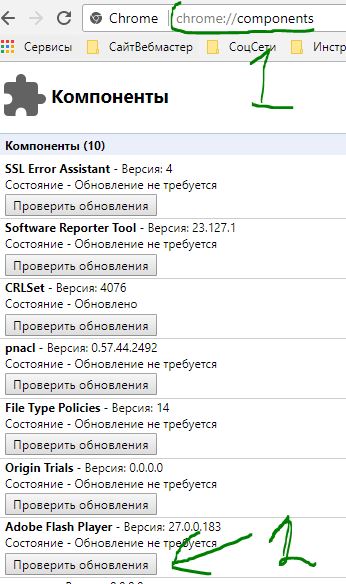
 Between the Lines. Game Offline Hay Danh Cho Pc Yeu. Larry Dignan and other IT industry experts, blogging at the intersection of business and technology, deliver daily news and analysis on vital. VMware partners with Google to manage Chrome devices VMwares AirWatch subsidiary is joining with Google to enable enterprisewide management of all Chrome devices. SP15mGYSz9E/WdoBtQ5dSlI/AAAAAAAAAxI/SmdlfbFyFmkGMvmr-mhCm8Kv9mJLLVkywCLcBGAs/s1600/chrome-components.webp' alt='Chrome Software Reporter Tool' title='Chrome Software Reporter Tool' />Frustrated with locating elements with changing Ids Do you want to create your own locator Are you writing lengthy code even for the simplest assertions Are you a Java. Script enthusiastfan If you answered Yes to these questions, Protractor can help. Its a wrapper built on top of Selenium Webdriver and thus, provides all the capabilities of Selenium along with many useful additions. It offers Features. It offers 1 Wait. For. Angular. From documentation Instruct Web. Driver to wait until Angular has finished rendering and has no outstanding http or timeout calls before continuing. Note that Protractor automatically applies this command before every Web. Driver action. What this means is that there is no need to manually add waits to your script and Protractor will automatically wait for the web elements to load and only then executes the next steps. It has the ability to export a global function element, which takes a locator and will return an Element. Finder. This Element. Finder has a set of action methods, such as click, get. Text, send. Keys etc. This is the core of how to interact with the element and get information from it. This global function helps to reduce the element locating syntax. Take a look at the following statement to locate the element in both Selenium Web. Driver and Protractor Selenium Webdriver. ElementBy. css. Selectorcss selector. The syntax looks compact, Isnt it Some new locator strategies and functions provided to help locate the Angular elements are By. By. repeater, By. By. model, Web. Element. Web. Element. evaluate, etc. How can Protractor help meTake a look at the following salient features Simple syntax to write test cases. The ability to run multiple browsers at once using Selenium Grid. Angular specific locators. Support for Behavior driven development such as JasmineMocha. No need to add sleepswaits. Supported integration with JenkinsBrowser StackGrunt etc. Get rid of dealing with synchronization issue in Angular JS websites. Multiple browser support Firefox, Chrome, Safari, Internet explorerAbility to run the same scripts in mobile browsers also without the need to change the code. Which Framework to use It supports two Behavior driven development BDD test frameworks right out of the box Jasmine Jasmine is the default test framework when Protractor is installed. We will use Jasmine in this article. Mocha Mocha is a Java. Script test framework which runs on Node. If you wish to use Mocha as your test framework, you will have to set it up with your Protractor and also will need to use Behavior Driven Development interface and Chai Assertions with Chai as Promised refer this link for more details . How to Download and Setup Protractor. As it is a node. js program, you need to install node. Node. js can be downloaded from this URL by selecting the operating system Node. With node. js, you also get Protractor npm package, which can now be used to install Protractor. Now that node. js is installed to your machine, open the command promptcmd and hit the below command to install it globally. Remove it if you do not wish to install it globally. This command also installs the Protractor API along with a default selenium server, which means that you dont necessarily have to start a standalone server. Now, we need to install the selenium server and Chrome. Driver. Use the following command also comes with Protractor in cmd. This is all we need to start with our first test case writing using this framework. If you wish, you can install any IDEeditor to write your code. Eclipse IDE is the popular one, but there are also some more cool editors to consider. Personally, I prefer Atom editor for my Protractor code writing. Ready to create your first test case It needs 2 files to run Configuration file. Spec file. The Configuration file is the one that tells Protractor where to find the test files specswhich browser to pickwhich framework to use JasmineMochawhere to talk to your Selenium browser and other configurations. If any configuration is not defined in configuration files, it will use defaults. Spec file is the one where we write our actual test code. All of our test functional flowassertions will be in this specific file. There might be several spec files based on the number of test cases but just 1 spec file will be able to run the entire test suite of several specs. Example TEST CASE Now, we will write a simple test case where we will navigate to an URL and check for the page title. Here are the steps Create a new folder for your test suite. Create a new file with name as js. All of the specconfiguration files will be of. Create a new file with the name specified as js. Check. Title. Spec. Protractor Demo, function. Synchronization true. Title. thenfunctionpage. Title. expectpage. Title. to. EqualSoftware Testing Help A Must Visit Software Testing Portal. Now, we are all set to start with our coding. See the below code of test. Case. Name. Spec. Here is what the configuration file looks like. Name chrome. specs simple. Test. Spec. js. Now, let break these 2 files and see how it works. Spec. All of the browser level commands will be handled by browser, a global created by Protractor. As we are following Jasmine framework, describe and it are the syntaxes of Jasmine. Describe will contain the entire end to end the flow of your test case, whereas it might contain some of test stepsscenarios etc. You can have multiple it blocks in your program if you wish so. Selenium syntax which tells Protractor to hit a specific URL in the browser. As the website we are trying to hit is a non angular website, we set the ignore. Synchronization tag to true as displayed at line 4. If you do not make this tag true, your test will fail with error Angular could not be found on the page. The reason behind this is that Protractor expects to work with angular websites by default, and if we are using Protractor to validate the non angular website, we need to tell this to Protractor explicitly. However, if you are working on angular websites, there is no need to use this statement as Protractor will by default consider the web page to be angular. We will discuss more assertions in detail. As discussed earlier, the configuration file is the one which tells Protractor the core details.